




LERACE 250MG TAB 20`S
₨ 41 / per unit
Add to cart
Buy Now
Generics
Levetiracetam
Used For
Epilepsy
Side Effects
Very common: Nasopharyngitis, somnolence and headache. Common: Anorexia, depression, hostility/aggression, anxiety, insomnia, nervousness/irritability, convulsion, balance disorder, dizziness, lethargy, tremor, vertigo, cough, abdominal pain, diarrhoea, dyspepsia, vomiting, nausea, rash and asthenia/fatigue. Uncommon: Thrombocytopenia, leucopenia, weight decrease, weight increase, suicide attempt and suicidal ideation, psychotic disorder, abnormal behaviour, hallucination, anger, confusional state, panic attack, emotional instability/mood swings, agitation, amnesia, memory impairment, abnormal coordination/ataxia, paraesthesia, disturbance in attention, diplopia, vision blurred, liver function test abnormal, alopecia, eczema, pruritus, muscle weakness, myalgia and injury. Rare: Infection, pancytopenia, neutropenia, agranulocytopenia, drug reaction with eosinophilia and systemic symptoms (DRESS), hypersensitivity, hyponatraemia, completed suicide, personality disorder, thinking abnormal, hepatic failure, hepatitis, acute kidney injury, toxic epidermal necrolysis, Stevens-Johnson syndrome, erythema multiforme, rhabdomyolysis and blood creatine phosphokinase increased.
Drug Interactions
Probenecid , Methotrexate .
Indication
Levetiracetam is indicated as: Monotherapy: • In the treatment of partial onset seizures with or without secondary generalization in adults and adolescents from 16 years of age with newly diagnosed epilepsy. Adjunctive Therapy: • In the treatment of partial onset seizures with or without secondary generalization in adults, adolescents and childrens 6 years of age or above with epilepsy. • In the treatment of myoclonic seizures in adults and adolescents from 12 years of age with Juvenile Myoclonic Epilepsy. • In the treatment of primary generalized tonic-clonic seizures in adults and adolescents from 6 years of age with Idiopathic Generalized Epilepsy.
Related products
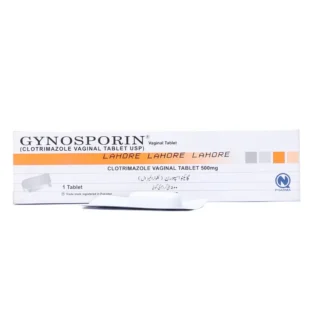
GYNOSPORIN 500MG TAB 1`S
₨ 153 / per unit
NIFEDIL 10MG CAP 30S
₨ 4 / per unit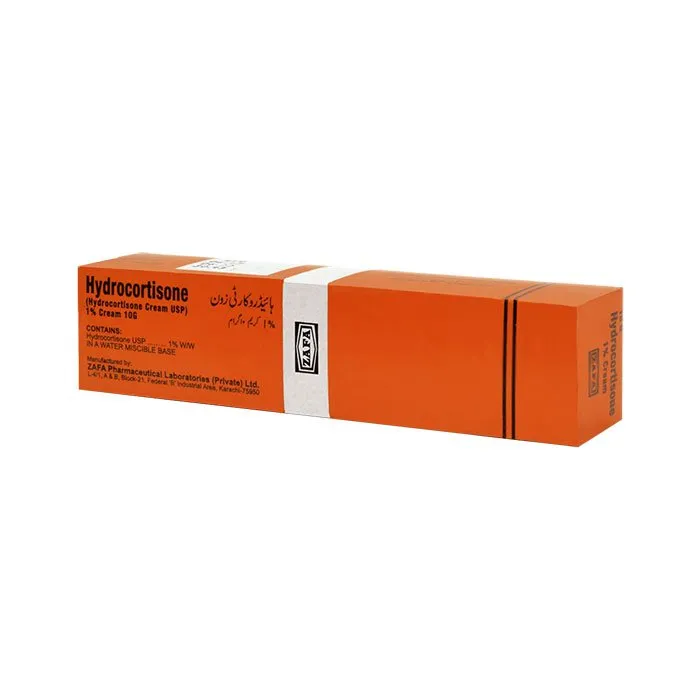
HYDROCORTISONE 1% CREAM 10GM
₨ 60 / per unit