- Your cart is empty
- Continue Shopping


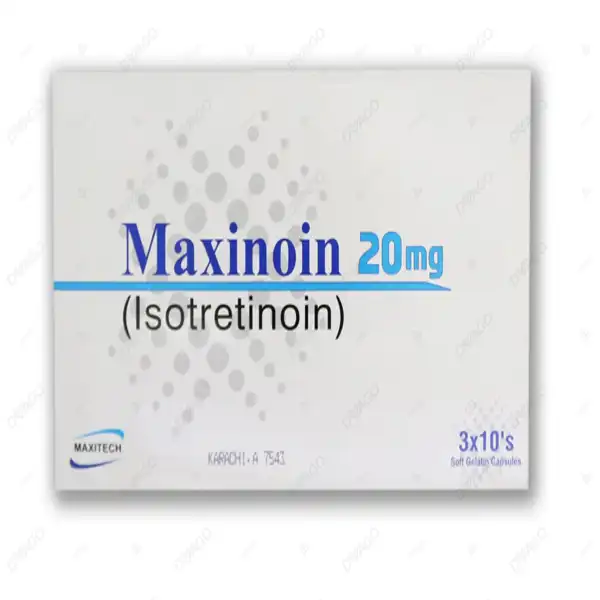
MAXINOIN 20MG CAPS
₨ 82 / per unit
Add to cart
Buy Now
Generics
Isotretinoin
Used For
Acne
How it works
Isotretinoin is a stereoisomer of all-trans retinoic acid (tretinoin). The exact mechanism of action of isotretinoin has not yet been elucidated in detail, but it has been established that the improvement observed in the clinical picture of severe acne is associated with suppression of sebaceous gland activity and a histologically demonstrated reduction in the size of the sebaceous glands. Furthermore, a dermal anti-inflammatory effect of isotretinoin has been established.
Usage And Safety
Dosage
Adults : Initially 0.5mg/kg body wt. daily as a single dose or in two divided doses with food for 4 wk. Adjust according response in range 0.1-1mg/kg body wt. daily for a further 8-12 wk. Repeat courses are not normally recommended . Max , 150mg/kg per course. Children : Not recommended.
Side Effects
Common side effects with Isotretinoin: (may affect up to 1 in 10 people) – Headache. – Higher levels of cholesterol in the blood. – Protein or blood in the urine. – More liable to get infections – if the white blood cells are affected. – Inside of the nose becomes dry and crusted, causing mild nosebleeds. – Sore or inflamed throat and nose. – Allergic reactions such as rash, itchiness. If you have any allergic reaction, stop taking Isotretinoin and contact your doctor. Rare side effects with Isotretinoin: (may affect up to 1 in 1,000 people) – Hair loss (alopecia). This is usually only temporary. Your hair should return to normal after the treatment ends. Very rare side effects with Isotretinoin: (may affect up to 1 in 10,000 people) – You may see less well at night; colour blindness and colour vision gets worse. – Sensitivity to light may increase; you may find that you need to wear sunglasses to protect your eyes from too bright sunlight. – Other sight problems including blurred vision, distorted vision, cloudy surface on the eye (corneal opacity, cataracts).
Drug Interactions
Do not take vitamin A supplements or tetracyclines (a type of antibiotic), or use any skin treatments for acne while you are on Isotretinoin. It is fine to use moisturisers and emollients (skin creams or preparations that prevent water loss and have a softening effect on the skin). – Avoid the use of topical keratolytic or exfoliative anti-acne agents while you are on Isotretinoin.
Indication
Isotretinoin is used to treat severe types of acne (such as nodular or conglobate acne, or acne that is at risk of causing permanent scarring) in adults and adolescents.
Related products
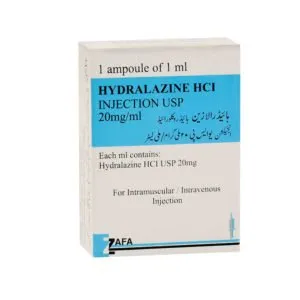
HYDRALAZINE INJ 20MG/ML
₨ 35 / per unit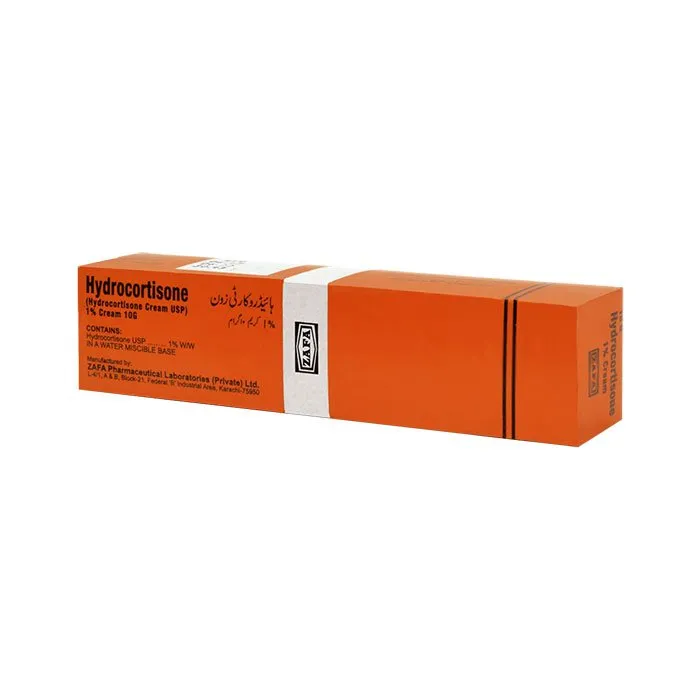
HYDROCORTISONE 1% CREAM 10GM
₨ 60 / per unit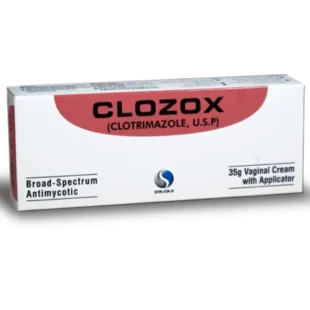
CLOZOX CREAM 10G
₨ 50 / per unit